

 Lietuvių
Jaw harps

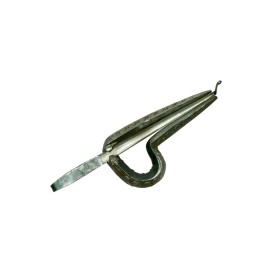
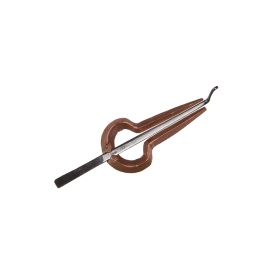
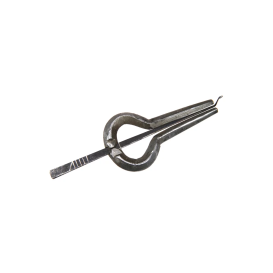
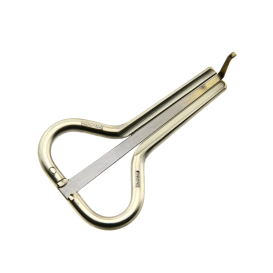
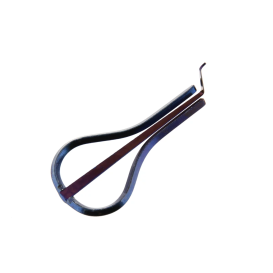
Jaw harps
The Jaw Harp - One of the Oldest Instruments in the World
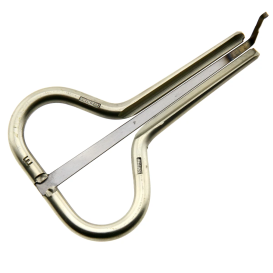
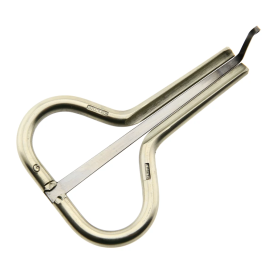
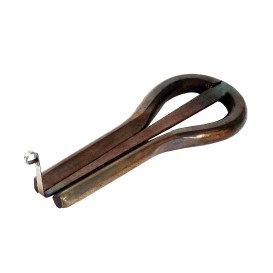
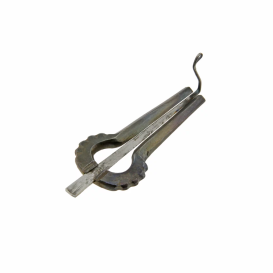
A jaw harp - one of the oldest instruments known to humanity, found in almost every culture across the globe. It usually has a metal or wood frame with a vibrating reed that, when held against the mouth and plucked, produces a distinctive, resonant sound - while the mouth acts as a resonance chamber, allowing the player to shape and manipulate melody.
If you've never played a jaw harp before - the first time can come as a surprise. A jaw harp is usually small enough to fit in a pocket, yet its sound is rich, and once you learn to control the shape of your mouth, you can produce full, remarkably expressive melodies.
How Does a Jaw Harp Work?
You hold the frame against your mouth, touching either the teeth or the lips depending on the type of instrument. You pluck the reed with your finger. It begins to vibrate - and your mouth, acting as a resonance box, amplifies and shapes the sound. By changing the shape of your mouth, the position of your jaw, and your breathing - you change the sound too.
This is one of those instruments where producing the first sounds is not difficult - but reaching a truly masterful level can take time.
Tuned or Untuned Jaw Harps?
This is one of the first questions to consider when choosing a jaw harp.
Untuned jaw harps - when making the instrument, no specific pitch is targeted for the reed. Suitable for beginners, children, and those who simply want to try the instrument. A simpler and more affordable option.
Tuned jaw harps - made so that their reed vibrates at a specific frequency (e.g. C2, D2, F2, G2, Bb, etc.). This matters for those who want to play alongside other instruments or music.
Construction Types in Our Range
Metal frame jaw harps - the most widespread type. These can be very simple: Austrian S jaw harp, Wimmer-Bades. They can also be mid-range: Altai, Spring, Compass. And they can be high-end: L-Bass, Duet, Wild Horse.
Dan Moi (Vietnamese-style) jaw harps - a thinner, more flexible reed construction originating from Vietnam. A softer sound. Playing requires only pressing the instrument lightly against the lips, which makes it easier to learn - though the range of tonal variation is also narrower compared to metal frame jaw harps. An excellent first choice for those wanting to try the instrument.
Who Are Jaw Harps For?
Beginners - Austrian or Dan Moi style jaw harps from €10 are one of the most affordable ways to begin a journey with exotic instruments. You can produce your first sounds within minutes.
Ethnic music enthusiasts - the jaw harp is used in hundreds of cultures: from the Altai to Norway, from Japan to Ireland. Each culture's instrument sounds a little different - and that's reflected in the variety of our range.
Professional musicians - tuned, high-quality jaw harps allow you to play alongside an ensemble or record with studio-level precision.
Collectors - jaw harps are compact, each one sounds unique, and they come in an enormous variety of fascinating designs. Many enthusiasts own several dozen different models.
Try Before You Buy - Visit Us In Store
A jaw harp is a musical instrument best tried and heard for yourself. Different models sound very different from one another, and finding the right instrument depends on the individual player.
We invite you to visit our shop in Vilnius: try all the models freely, get advice, and take your instrument home the same day. And if online shopping suits you better - we deliver across Lithuania!